WhatsApp Channel
Telegram Group
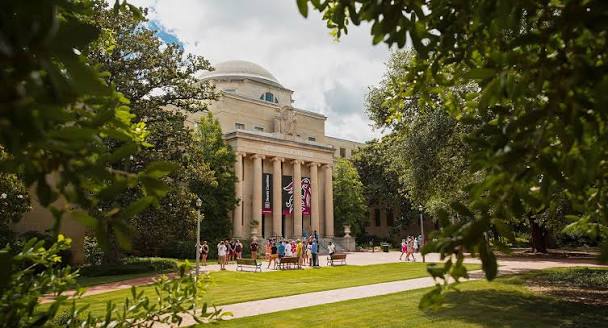
🚨 PhD Position in Computational Neuroscience | University of South Carolina
Institution: University of South Carolina – Dr. Sha’s Lab, Department of Psychology
📍 Location: Columbia, South Carolina, USA 🇺🇸
🎓 Position: PhD Student in Computational Neuroscience
🔬 Research Area: Computational Neuroscience | Neurodevelopment | Autism Spectrum Disorders | Machine Learning | Deep Learning | Neuroimaging | Brain Development | Biomedical Research
Dr. Sha’s Lab at the University of South Carolina is seeking motivated PhD students in Computational Neuroscience to investigate the mechanisms underlying atypical brain development and neurodevelopmental disorders, including autism spectrum disorders.
The lab is affiliated with the Carolina Autism & Neurodevelopment Center, Institute for Mind & Brain, McCausland Center for Brain Imaging, and works closely with the Center of SC Metropolitan Area.
The research combines computational modeling, machine learning, deep learning, and neuroimaging to study neural circuitry, early-life adversity, psychopathological phenotypes, and treatment outcomes.
🧠 What You’ll Work On
🤖 Computational Modeling & Machine Learning
Apply computational modeling, machine learning, and deep-learning approaches to investigate neural circuitry and atypical brain development.
🧩 Neurodevelopmental Disorders
Study mechanisms associated with neurodevelopmental disorders, including autism spectrum disorders and related behavioral and neural phenotypes.
🧠 Neuroimaging Analysis
Analyze neuroimaging data, including MRI datasets, to investigate brain structure, function, and neural circuitry.
👶 Early-Life Adversity
Investigate how early-life adversity may influence brain development and contribute to psychopathological phenotypes.
🏥 Treatment Outcomes
Use computational and neuroimaging approaches to study treatment outcomes and factors associated with individual differences in response.
🎯 Key Research Areas
The PhD research will involve areas such as:
- Computational neuroscience
- Neurodevelopment
- Autism spectrum disorders
- Neurodevelopmental disorders
- Machine learning
- Deep learning
- Computational modeling
- Neuroimaging
- MRI data analysis
- Neural circuitry
- Brain development
- Early-life adversity
- Psychopathological phenotypes
- Treatment outcomes
- Biomedical research
- Data science
- Neuroscience
💻 Research & Computational Focus
The lab uses computational and neuroimaging approaches to understand complex relationships between brain development, behavior, and neurodevelopmental disorders.
Potential research activities include:
- Computational modeling of neural systems.
- Development and application of machine-learning models.
- Deep-learning approaches for neuroimaging analysis.
- Analysis of MRI datasets.
- Investigation of neural circuitry.
- Study of atypical brain development.
- Analysis of autism-related neurodevelopmental patterns.
- Investigation of early-life adversity and brain development.
- Analysis of psychopathological phenotypes.
- Investigation of treatment outcomes.
- Integration of computational modeling with neuroimaging.
- Analysis of in-house and publicly available datasets.
👨💻 Ideal Candidate
Applicants should have a Bachelor’s or Master’s degree in a relevant field such as:
- Neuroscience
- Mathematics
- Data Science
- Biostatistics
- Biomedical Engineering
- Or another closely related field
Candidates should have:
- Strong interest in computational neuroscience.
- Quantitative and analytical skills.
- Interest in neurodevelopment and brain research.
- Familiarity with computational or data-analysis approaches.
- Interest in machine learning and/or deep learning.
⭐ Preferred Experience
- Experience with MRI data analysis is preferred.
- Coding experience is preferred.
- Background in computational modeling or data science would be relevant.
🌟 What You’ll Gain
- Hands-on experience in computational neuroscience research.
- Training in advanced neuroimaging methods.
- Experience working with MRI and biomedical research techniques.
- Access to rich in-house and public datasets.
- Exposure to advanced 3T and 7T MRI platforms.
- Experience applying machine learning and deep learning to neuroscience.
- Experience with computational modeling of neural systems.
- Opportunity to study neurodevelopmental disorders and brain development.
- Training in interdisciplinary neuroscience research.
- Opportunity to contribute to high-quality research publications.
- Preparation for further research and academic career paths.
🧪 Research Focus
The overall research framework combines:
Neuroimaging Data → Computational Modeling → Machine Learning & Deep Learning → Neural Circuitry → Neurodevelopment & Disease → Treatment Outcomes
The lab investigates mechanisms of atypical brain development and neurodevelopmental disorders by combining computational approaches with advanced neuroimaging and biomedical research techniques.
🧬 Potential Research Questions
The PhD student may investigate questions such as:
- How does atypical brain development contribute to neurodevelopmental disorders?
- How can machine learning help identify patterns in neuroimaging data?
- What neural-circuit mechanisms are associated with autism spectrum disorders?
- How does early-life adversity influence brain development?
- Can computational models identify meaningful neurodevelopmental phenotypes?
- How are brain characteristics associated with psychopathological outcomes?
- Can neuroimaging and computational approaches help understand treatment outcomes?
👩🔬 Key Responsibilities
The successful PhD student may be involved in:
- Processing and analyzing neuroimaging datasets.
- Conducting MRI data analysis.
- Developing computational models.
- Applying machine-learning and deep-learning methods.
- Working with in-house and public datasets.
- Investigating neural circuitry and brain development.
- Studying neurodevelopmental disorders.
- Conducting quantitative and statistical analyses.
- Integrating neuroimaging and computational approaches.
- Contributing to research publications.
- Presenting research findings.
- Collaborating within an interdisciplinary research environment.
🧠 Research Environment
Dr. Sha’s Lab is part of the Department of Psychology at the University of South Carolina and is affiliated with the Carolina Autism & Neurodevelopment Center and the Institute for Mind & Brain.
The research environment also provides access to the McCausland Center for Brain Imaging, including advanced 3T and 7T MRI scanners, as well as the Biobehavioral Research Center at the University of South Carolina.
The lab emphasizes a collaborative research environment and supports PhD students in developing high-quality research publications and competitive academic career paths.
📌 Position Details
Institution: University of South Carolina
Department: Department of Psychology
Research Lab: Dr. Sha’s Lab
Position: PhD Student in Computational Neuroscience
Location: Columbia, South Carolina, USA 🇺🇸
Research Area: Computational Neuroscience | Neurodevelopment | Neuroimaging
Major Focus: Autism Spectrum Disorders | Atypical Brain Development | Neural Circuitry
Computational Methods: Computational Modeling | Machine Learning | Deep Learning
Neuroimaging: MRI | 3T MRI | 7T MRI
Preferred Degree: Bachelor’s or Master’s degree
Preferred Background: Neuroscience | Mathematics | Data Science | Biostatistics | Biomedical Engineering
Preferred Experience: MRI Data Analysis | Coding
Application Mode: Email
Application Email: zsha@mailbox.sc.edu
📄 How to Apply
Interested candidates should submit their CV directly to:
📩 Dr. Sha: zsha@mailbox.sc.edu
Applicants should highlight relevant experience or coursework in:
- Computational neuroscience
- Neuroscience
- Data science
- MRI/neuroimaging
- Machine learning
- Coding
- Quantitative research
📌 Application: Submit your CV to Dr. Sha for consideration.
Category
PhD Position | PhD USA | Computational Neuroscience | Neuroimaging | Machine Learning | Deep Learning | Autism Research | Neuroscience Research
🏷️ Tags
#PhD #PhDPosition #ComputationalNeuroscience #Neuroscience #Neuroimaging #MRI #MachineLearning #DeepLearning #AutismResearch #Neurodevelopment #DataScience
Follow Biopractify for more & Join our community : https://chat.whatsapp.com/F38FNCU0nfvFCDf1mYJDbm
About The Author